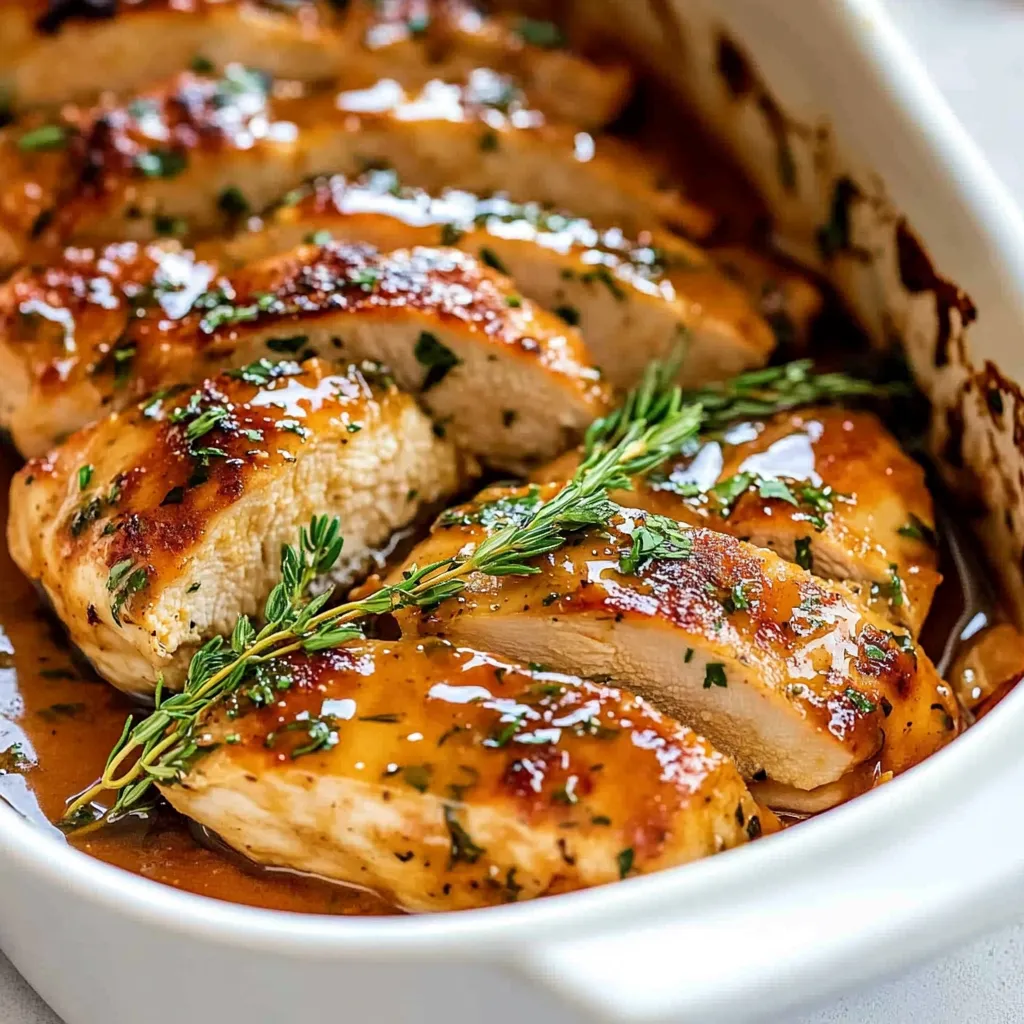
Unlock the secrets to a truly irresistible meal with Easy Baked Honey Mustard Chicken: Sweet & Savory Weeknight Magic. This culinary delight is more than just a simple dinner; it's a symphony of flavors that transforms readily available ingredients into something extraordinary. While honey brings its golden sweetness and chicken offers a versatile canvas, the true star, often unsung, is Dijon mustard. Its distinctive zing elevates the entire dish, creating a perfect balance that keeps you coming back for more. Whether you're a seasoned home cook or looking for a reliable weeknight hero, understanding the nuances of this classic pairing, especially Dijon's pivotal role, will revolutionize your kitchen game.
The Unbeatable Harmony: Why Honey Mustard Works
The allure of honey mustard lies in its inherent contradiction – a delightful interplay between sweet and savory that creates a deeply satisfying flavor profile. This combination isn't just popular; it's a timeless classic found in dressings, glazes, and marinades across various cuisines. For baked honey mustard chicken, this pairing creates a magic that transforms ordinary chicken into an extraordinary meal.
- The Sweetness of Honey: Honey provides a rich, natural sweetness that caramelizes beautifully when baked, creating a slightly sticky, golden-brown crust on the chicken. It's comforting, familiar, and universally loved.
- The Savory Zing of Mustard: While various mustards can be used, Dijon stands out. Its unique pungency, slight spiciness, and tangy notes cut through honey's richness, preventing the dish from becoming cloyingly sweet. This creates depth and complexity, making each bite more interesting than the last.
- Perfect Balance: The genius of honey mustard lies in this equilibrium. The sweetness highlights the savory notes of the chicken, while the mustard's sharpness invigorates the palate, ensuring that neither flavor overpowers the other. It’s a dance of contrasts that results in a harmonious whole, making it a fantastic choice for dishes like Honey Mustard Salmon and Crockpot Honey Mustard Pork Chops as well.
Dijon: The Unsung Hero Behind Perfect Baked Honey Mustard Chicken
If you're a true connoisseur of flavor, you know that the right mustard can make all the difference. When it comes to baked honey mustard chicken, Dijon isn't just an ingredient; it's the indispensable architect of the dish's signature taste. Its unique properties are what elevate a simple sweet glaze to a sophisticated, palate-pleasing experience.
The Distinctive Flavor Profile of Dijon
Dijon mustard, originating from Dijon, France, is renowned for its specific blend of brown mustard seeds, white wine (or verjuice), and seasonings. This gives it a sharper, more complex flavor than yellow mustard, with a pungent kick that's less vinegar-forward and more subtly spicy. This "zing" is precisely what’s needed to achieve that coveted balance in honey mustard.
- Cutting Through Sweetness: Without Dijon, the honey-based sauce risks being overly saccharine. Dijon's acidity and subtle heat provide the necessary counterpoint, ensuring the sauce remains vibrant and exciting, rather than one-note sweet.
- Adding Depth: Beyond just balancing, Dijon introduces layers of flavor. Its savory, slightly wine-like undertones contribute to the sauce's overall complexity, making it taste richer and more developed.
- Versatility in Texture: While smooth Dijon is most common, using whole-grain Dijon can add a delightful textural element and a slightly more rustic appearance, as seen in some one-pan recipes. Flavored Dijon mustards, like horseradish Dijon, can also be experimented with for an extra kick, though the classic smooth Dijon often provides the most pure and balanced result.
A Word of Caution for Dijon Lovers (and Non-Lovers): This recipe truly sings for those who appreciate Dijon's distinctive character. If you're not a fan of its assertive flavor, substitutions can be made, but be mindful of the outcome. Swapping it for a milder mustard variety will likely result in a much sweeter sauce, as the sharpness of Dijon is crucial for tempering the honey. Embrace the zing; it's the secret to "Flavortown" in this recipe!
Mastering the Bake: Tips for Succulent Chicken Every Time
One of the many appeals of baked honey mustard chicken is its relative ease and the minimal fuss involved. Oven baking frees up your stovetop and ensures a hands-off cooking experience that delivers big on flavor. However, a few key techniques can guarantee your chicken is perfectly cooked and irresistibly tender.
Optimal Cooking Strategy
- Initial Bake Without Sauce: A crucial tip for a perfect glaze is to bake the chicken for the first 10 minutes *without* the honey mustard sauce. Honey, being a sugar, can caramelize and even cement to the baking dish at high heat, making cleanup difficult and potentially burning the sauce prematurely. This initial bake allows the chicken to start cooking while preventing the honey from sticking.
- Sauce Application & Finishing Bake: After the initial bake, slather the chicken generously with your honey mustard sauce. Return it to the oven to finish cooking, allowing the sauce to thicken, glaze, and infuse the chicken with its sweet and savory goodness. This is when the magic happens, creating that desirable sticky, flavorful crust.
Choosing Your Chicken & Ensuring Doneness
- Chicken Breasts vs. Thighs: Both boneless, skinless chicken breasts and thighs work wonderfully.
- Breasts: Tend to cook faster. Most should be done within the suggested cooking time (around 20-30 minutes total, depending on size). Aim for an internal temperature of 165°F (74°C).
- Thighs: Are more forgiving and stay juicier due to their higher fat content. They typically require an additional 5-10 minutes of cooking. For optimal tenderness and safety, target an internal temperature of 175°F (79°C) or higher.
- The Importance of Resting: Once your chicken reaches the safe internal temperature, remove it from the oven and let it rest, loosely tented with foil, for 5-10 minutes. This allows the juices to redistribute throughout the meat, ensuring every bite is succulent and tender. Skipping this step can lead to dry chicken.
Pan Choice for Versatility
For recipes like One-Pan Baked Honey Mustard Chicken & Rice for Busy Nights, the right pan is essential. An oven-safe dish that is deep enough to accommodate both the chicken and any accompanying rice or liquid is key. A simple 9-inch cast iron pan, a glass baking dish, or a casserole dish all work exceptionally well. The broth mixture, often containing chicken stock, honey, and mustard, is poured over the rice first, and then the chicken breasts are placed on top. This ingenious method allows the chicken to cook while its juices baste the rice, infusing it with incredible flavor and ensuring everything cooks perfectly in one go.
Crafting Your Perfect Honey Mustard Experience: Sides and Variations
The beauty of baked honey mustard chicken lies not just in its deliciousness but also in its versatility. It’s a dish that can stand alone or be part of a larger, more elaborate meal, easily adaptable to your preferences and what you have on hand.
Elevating Your Honey Mustard Sauce
While a simple honey and Dijon combination is fantastic, you can further enhance your sauce with a few additions:
- Aromatic Boosters: A touch of minced garlic or garlic powder, onion powder, or a pinch of smoked paprika can add layers of savory depth.
- Herbal Freshness: Fresh herbs stirred into the sauce or sprinkled over the finished dish can brighten the flavors. Parsley, tarragon, or dill are all excellent choices that complement chicken and mustard beautifully.
- Broth for Richness: For a more liquid sauce or when making a one-pan meal with rice, incorporating chicken stock into your honey mustard mixture adds richness and ensures the rice cooks perfectly while absorbing all those delicious flavors.
Perfect Pairings: What to Serve Alongside
A great main dish deserves great accompaniments. Honey mustard chicken pairs wonderfully with a variety of sides:
- Starchy Staples: To soak up every drop of that incredible sauce, starchy sides are a must.
- Mashed Potatoes: Creamy and comforting, they're a classic for a reason.
- Rice: Whether plain white rice or a fragrant pilaf, it’s excellent for absorbing flavors.
- Classic Baked Potato: A hearty and satisfying option.
- Vibrant Vegetables: Balance the richness with fresh, crisp, or lightly cooked vegetables.
- Simple Sautéed Cabbage: Offers a lovely texture and mild flavor.
- Green Beans or Broccolini: Lightly steamed or roasted, they provide color and nutrients.
- Fresh Salads: A crisp salad provides a refreshing counterpoint.
- A simple green salad with a vinaigrette or a creamy balsamic dressing is perfect. You could even try a homemade Olive Garden dressing for a familiar twist.
Storing and Reheating for Continued Enjoyment
This baked honey mustard chicken is so good, you’ll likely want to make extra for leftovers!
- Refrigeration: Store any leftover chicken in an airtight container in the fridge for 3-4 days.
- Reheating: For best results, gently warm the chicken in a saucepan over low heat. This slow reheating process helps prevent the chicken from drying out, ensuring it remains tender and flavorful. You can also microwave it, but be careful not to overheat.
- Freezing: This dish freezes beautifully for up to 3 months. Thaw overnight in the refrigerator before reheating.
The journey to perfect baked honey mustard chicken is an incredibly rewarding one. From understanding the foundational sweet and savory dynamic to appreciating Dijon's crucial role in achieving that perfect balance, every step contributes to a meal that is both easy to prepare and profoundly satisfying. With practical tips on cooking techniques, versatile side pairings, and smart storage, you're now equipped to create this delightful dish with confidence. So go ahead, unleash the power of Dijon, and savor the culinary magic that awaits in your own kitchen!
